Guidelines for Meditators

Sangharama welcomes all who wish to deepen their monastic practice in a disciplined and contemplative environment. While short-term visitors are welcome, those seeking long-term residency should clearly understand:
- Sangharama is a training ground for those who wish to walk the path that leads towards end of all Suffering with a sincere heart and faith in Buddha, Dhamma and Sangha.
- At Sangharama we follow Heart Dhamma tradition which is nothing but the Buddha’s teachings with the emphasis on heart qualities like sincerity, humility and honesty.
- Residency means living in accordance with the guidance of the resident teacher, the monastery’s daily schedule, and guidelines.
- Long-term residents are expected to commit sincerely to the community’s way of training and uphold harmony with the Sangha.
When staying at Sangharama, lay meditators and visitors are encouraged to observe the following guidelines to support their practice and harmonize with the monastic community:
1. Duration of Stay
- Short-Term Visits: Sangharama welcomes laypeople for short-term stays, often up to a couple of weeks i.e, 14 days.
- Long-Term Aspirants: Those considering ordination or extended practicemay be permitted longer stays, typically starting with a 30-day period, which can be extended based on logistics and adherence to monastic guidelines.
2. Precepts and Conduct
All meditators and visitors should observe the Eight Precepts during their stay at the monastery.
These precepts are the moral guardrails that serve as protection for the dhamma practice of the individual, paving the way for deeper purification of the heart.
- Refrain from killing any living being.
- Refrain from taking what is not given.
- Refrain from all sexual activity.
- Refrain from false speech.
- Refrain from consuming intoxicants.
- Refrain from eating after midday.
- Refrain from entertainment, bodily adornment and beautification.
- Refrain from sleeping on higher or luxurious bed.
3. Commitment to Practice of Dhamma
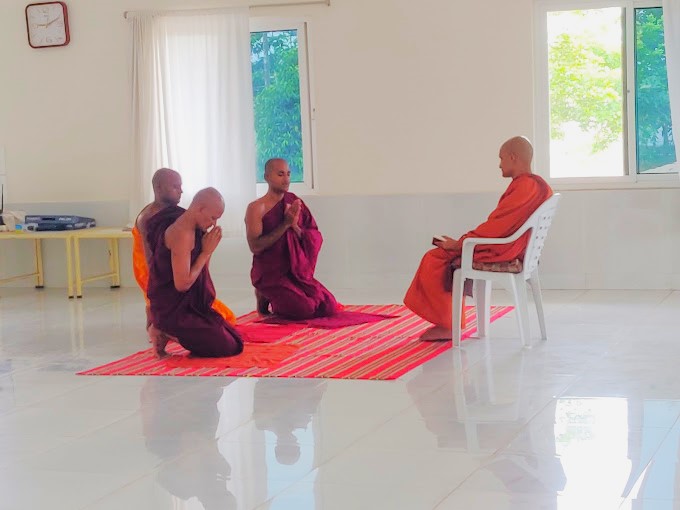
- Dedication: Dedicate regular time each day to meditation practice and Dhamma study.
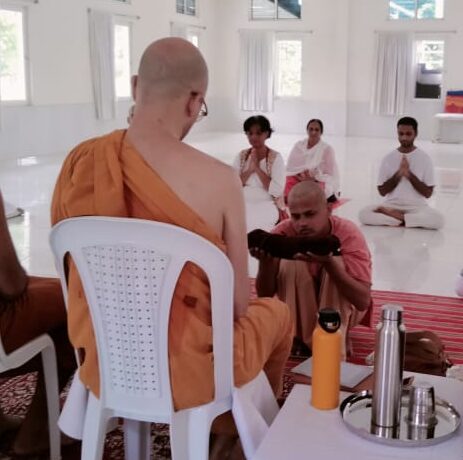
- Participation: Participate in group meditation sessions and attend Dhamma talks to deepen your understanding and experience of the teachings.
4. Respectful Interaction with the Monastic Community
- Monastic Etiquette: Show courtesy and respect when interacting with monastics, fellow practitioners and monastery residents, and avoid physical contact, especially with members of the opposite sex.
- Silence and Solitude: Maintain noble silence during designated times and respect others’ need for quiet and solitude.
5. Communication
- Permission: Seek permission before using electronic devices, taking photographs, or recording.
- Right Speech: Engage in speech that is truthful, harmonious, and beneficial; Refrain from engaging in lies, harsh, gossip or divisive speech; observe periods of silence as required.
6. Openness to Guidance and Self-Reflection
- All meditaters are expected to follow the instructions and guidance offered by the resident Dhamma teacher of the monastery.
- Meditation and study should be undertaken with sincerity, humility, and dedication.
- The purpose of practice is the continual purification of the Heart, refining virtue, concentration, and wisdom.
- Avoid distractions such as excessive social interactions or engagement insecular knowledge unrelated to the path.
- Strive to deepen understanding through direct experience rather than mere theoretical knowledge.
- Regularly engage in self-reflection to foster personal growth and deepen your spiritual practice.
7. Appropriate Attire and Demeanor
- Modesty: Dress modestly and appropriately for the monastic setting, reflecting respect for the sacred atmosphere.
- Specific Attire: Lay practitioners are encouraged to wear plain, preferably white garments. A clothing that covers shoulders and knees; avoid tight or revealing attire and flashy outfits. Keep it plain, simple and comfortable.
- Demeanor: Carry yourself with humility, openness, and a spirit of service, embodying the teachings of the Dhamma.
8. Simplicity and Mindful Living
- Simplicity: Embrace a simple lifestyle by minimizing material attachments. Accommodations are basic, reflecting the monastic emphasis on simplicity.
- Living: Maintain a clean, orderly living space that reflects the values of simplicity and mindfulness.
- Meditation Spaces: Keep silence or speak softly in designated meditation and study areas to preserve a tranquil atmosphere.
- Common Spaces: Follow any specific instructions regarding the use of common areas to ensure a harmonious environment for all.
- Personal Items: Use of high-power electrical devices is restricted.
9. Meals
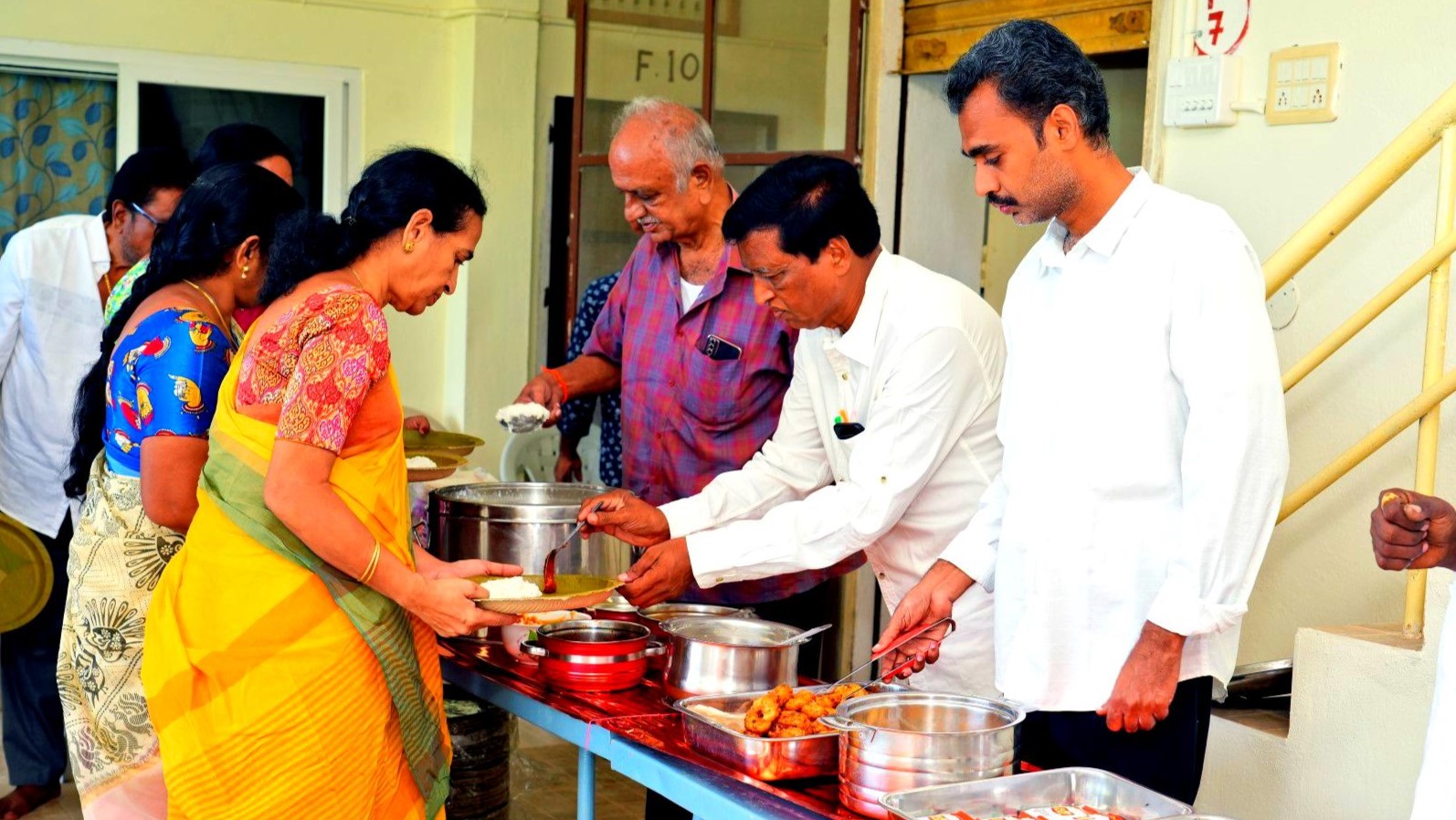
- Offering: Participate in meal offerings to monastics, acknowledging that monks and nuns typically eat once or twice before midday.
- Dietary Restrictions: Be prepared for simple, vegetarian meals unless otherwise specified. Some suitable meal is allowed when sick.
10. Health and Safety
- Self-Sufciency: Bring necessary personal medications and inform the monastery of any health concerns.
- Awareness: Be mindful of local wildlife and environmental conditions of the monastery.
11. Active Participation and Service
- Consider contributing towards the upkeep and smooth running of the community through voluntary service such as cleaning, meal preparation, or assisting in organizing group activities.
- Recognize that your contributions help sustain a supportive and compassionate environment.
12. Monastery’s Daily Schedule ( Indicative )
- 4:00 am – Wake up, Exercise
- 4:30 am – Group meditation
- 6:00 am – Alms round (where practiced) or breakfast
- 8:00 am – Group meditation
- 9:30 am – Interview
- 10:50 am – Main meal
- 12:00 pm – Rest
- 1:00 pm – Meditation (sitting or walking)
- 5:00 pm – Refreshment
- 6:00 pm – Personal meditation, study, or seclusion
- 10:00 pm – Lights Out
13. What to Bring
- Proof of Identity Documents like Passport or Aadhaar card for documentation and verification
- Personal items
- Bedding (if needed)
- Notebook and Stationaries
- Personal Medicines and supplements
- Umbrella
- Torch
- Alarm clock
- Mosquito repellent
Conclusion
May all who enter Sangharama uphold these guidelines with sincerity, leading to the purification of the heart, for the welfare of oneself and others, and the realization of the ultimate goal—Nibbāna.