Guidelines for Volunteer
Introduction
In the Buddha’s teaching, service (seva) is not considered a duty, task, or obligation. Rather, it is an offering — an act of generosity, humility, compassion, and letting go of one’s own conceit.
These guidelines provide clarity on the scope of service and the proper conduct expected from volunteers, ensuring that their efforts align with the Buddha, Dhamma, and Sangha.
Each volunteer has the freedom to offer their skills according to their expertise and capacity. There is no obligation—only a sincere and joyful offering of service in harmony with the monastic environment.
1. The Spirit of Volunteering
Why Volunteer at a Monastery?
- To have the opportunity to be closer to the wise ones.
- To develop the heart of generosity.
- To accumulate necessary merits (wholesome kamma / puñña) for the sake of one’s own liberation through service to the Sangha (supreme feild of merit).
- To cultivate humility, mindfulness, patience, loving-kindness, compassion, appreciative joy and equanimity through meaningful service.
- To purifying one’s own heart by abandoning that is unwholesome and cultivating that is wholesome.
Right Attitude of a Volunteer
- Selfless Service – Offering skills without expectation of reward or recognition.
- Humility – Recognizing that service to the Sangha is a rare and precious opportunity.
- Mindfulness & Respect – Maintaining awareness of one’s thoughts, speech, and actions.
- Patience & Perseverance – Working with diligence and endurance, regardless of conditions.
- Gratitude – Recognizing that volunteering is a privilege, not a burden.
2. Scope of Service – Freedom to Offer Skills
Each volunteer has unique skills that they can offer joyfully. Some examples include:
Technical & Administrative Support
- IT Professionals – Website development, maintenance, cybersecurity, database management.
- Designers & Content Creators – Creating educational materials, monastery brochures, videos.
- Writers & Editors – Preparing Dhamma articles, transcribing Dhamma talks, proof reading.
- Social Media Volunteers – Managing monastery updates on social platforms.
Medical & Healthcare Assistance
- Doctors & Nurses – Providing medical care for monastics and residents.
- Ayurvedic & Traditional Medicine Practitioners – Offering natural healing services.
- Therapists & Counselors – Supporting mental well-being with mindfulness-based therapy.
Physical & Manual Labor
- Construction Workers & Architects – Building and maintaining monastery structures.
- Electricians & Plumbers – Ensuring monastery facilities remainfunctional.
- Tailors & Seamstresses – Stitching robes, mattress covers, and other monastery essentials.
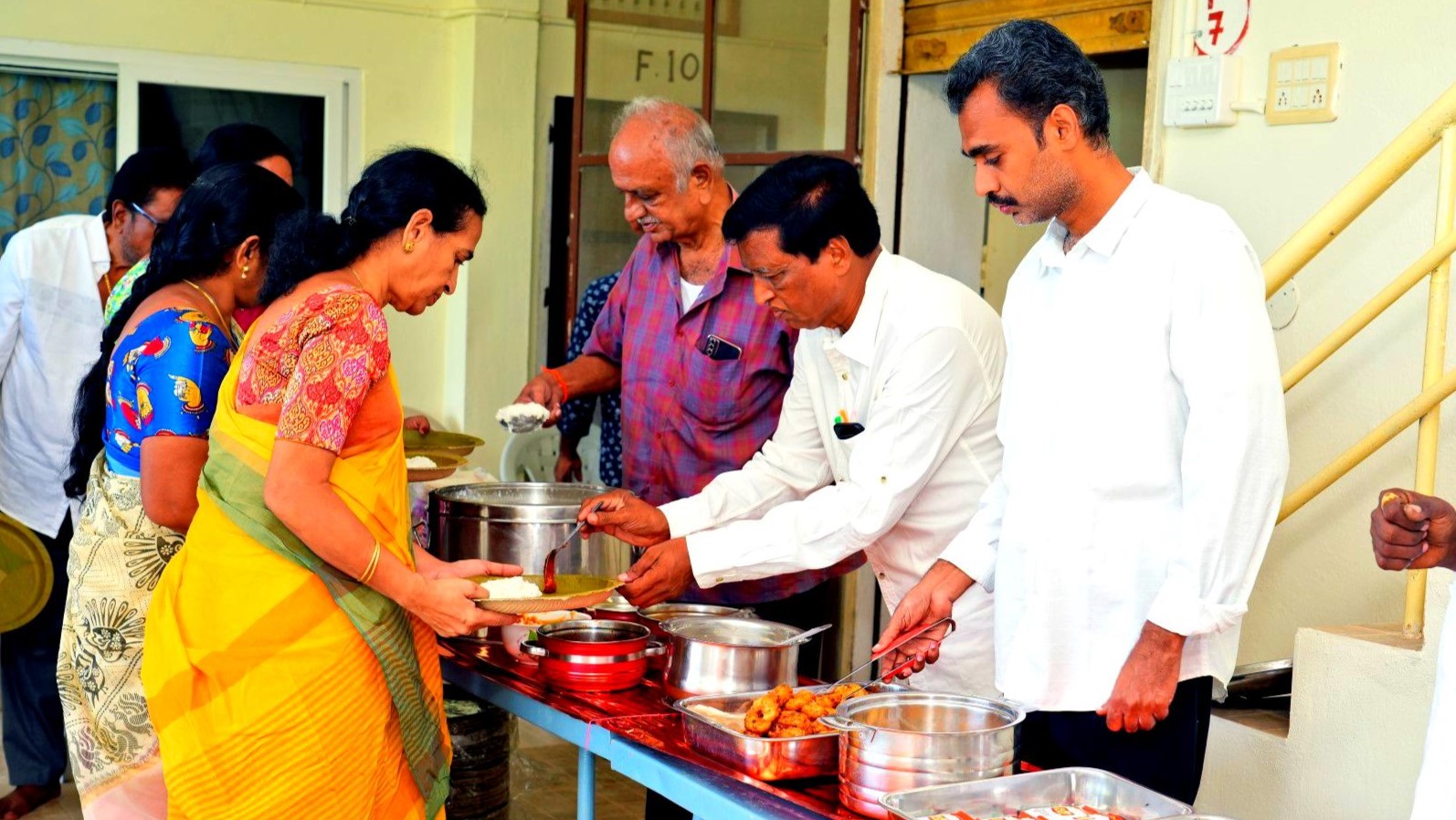
- Cooks & Kitchen Helpers – Preparing meals, cleaning the kitchen, organizing alms food.
- Gardeners & Farmers – Maintaining monastery gardens, growing vegetables, and planting trees.
Dhamma & Spiritual Assistance
- Translators – translating speech or texts into languages needed
- Audio/Video Technicians – Recording and editing Dhamma talks, managing sound systems.
- Library & Book Preservation – Managing and digitizing Buddhist texts, organizing books.
- Meditation Assistants – Helping with meditation retreats, arranging cushions, setting up halls.
Hospitality & Support Services
- Guest Reception & Management – Welcoming visitors, guiding new arrivals.
- Transportation Volunteers – Assisting in travel arrangements for monks and visitors.
- Event Organizers – Helping with monastery events, Poya days, and Dhamma programs.
Every volunteer has the freedom to choose the service they wish to offer, based on their skills, time availability, and physical ability. There is no force or obligation—only a sincere offering of one’s capacity for the welfare of the monastic community.
3. General Code of Conduct for Volunteers
To maintain harmony in the monastery, volunteers should uphold proper behavior in accordance with the Dhamma.
Ethical Conduct
Volunteers are required to follow the Five Precepts:
- Abstaining from killing or harming living beings.
- Abstaining from stealing or taking what is not given.
- Abstaining from sexual misconduct.
- Abstaining from false speech.
- Abstaining from intoxicants that cloud the mind.
Speech & Communication
- Speak truthfully, kindly, and mindfully.
- Right Speech – Sammā Vācā : Refrain from lies, harsh speech, divisive speech and idle chatter.
- Refrain from pushing personal opinions or trying to influence monastics or residents.
- If there are concerns, address them respectfully with the responsible persons.
Dress Code
- Wear modest, simple, and comfortable clothing that respects the monastic setting.
- Tight, revealing, or flashy attire are not allowed.
- White or plain-colored clothing is preferred but not mandatory.
Behavior & Mindfulness
- Move quietly and mindfully, respecting the stillness of the monastery.
- Follow the daily routine of the monastery when staying for extended periods.
- Avoid unnecessary physical contact with monastics.
- Maintain a humble attitude, refraining from conceit or superiority.
Living in Harmony with the Sangha
- Offer your service in harmony with the guidance and instructions of the monastery..
- Be mindful of monastic boundaries and avoid restricted areas.
- Do not impose personal beliefs or spiritual practices on others.
- Always prioritize the needs of the Sangha over personal preferences.
4. Spiritual Engagement & Personal Growth
Volunteering is not just about work—it is a path of spiritual progress. Volunteers should engage in activities that deepen their understanding of the Dhamma.
Recommended Spiritual Practices
- Listening to Dhamma Talks – Developing right view and wisdom.
- Practicing Meditation – Cultivating mindfulness and insight.
- Observing Noble Silence (where applicable) – Strengthening inner peace.
- Self-Reflection — purification of deeds of thought, speech and body.
- Joining Dhamma discussion / interview Sessions – Connecting with the monastic community.
- Reading Suttas – Deepening understanding of the Dhamma.
5. Gratitude & Rejoicing in Merits
The Buddha taught that rejoicing in the good deeds of oneself and others leads to great merit. Volunteers are encouraged to:
- Reflect on the merit of their service, knowing that it supports the Noble path.
- Express gratitude to the monks, fellow volunteers, and lay supporters.
- Dedicate their efforts to the welfare of all beings including themselves.
After completing a task, one may rejoice in ones own merits and wish:
“By this merit, may I be free from suffering and attain Nibbāna.”
6. What to Bring
- Service tools (if any)
- White clothes or appropriate clothing
- Proof of Identity Documents like Passport or Aadhaar card for documentation and verification
- Personal needs
- Personal prescription medicines
Conclusion
Through wholesome actions performed with the right attitude, volunteers can progress in the Dhamma while ensuring that the Sangha continues to flourish for the benefit of all beings.
“One should do what is beneficial for oneself and others—With energy, perseverance, and a pure heart.”—The Buddha (AN 8.26)
May your service bring you great merits, happiness and peace!