Guidelines for Bhikkhus

Residency Principle
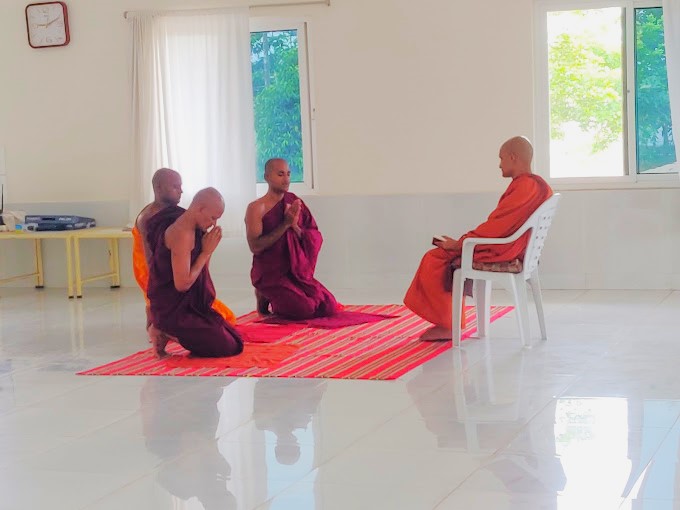
Sangharama welcomes all who wish to deepen their monastic practice in a disciplined and contemplative environment. While short-term visitors are welcome, those seeking long-term residency should clearly understand:
- Sangharama is a training ground for those who wish to walk the path that leads towards end of all Suffering with a sincere heart and faith in Buddha, Dhamma and Sangha.
- At Sangharama we follow Heart Dhamma tradition which is nothing but the Buddha’s teachings with the emphasis on heart qualities like sincerity, humility and honesty
- Residency means living in accordance with the guidance of the resident teacher, the monastery’s daily schedule, and guidelines.
- Long-term residents are expected to commit sincerely to the community’s way of training and uphold harmony with the Sangha.
Residency at Sangharama is both a privilege and a commitment — a shared vow to uphold Dhamma-Vinaya, sincerity of Heart, and collective harmony of the Sangha.
1. Fundamental Principles
- Bhikkhus at Sangharama shall live in accordance with the Dhamma-Vinaya.
- The monastic life is dedicated to the pursuit of Nibbāna through virtue (sīla), concentration (samādhi),and wisdom (paññā).
- The monastery is a refuge for sincere practice; all bhikkhus must uphold harmony, respect, and self discipline.
- Bhikkhus should always conduct themselves in a way that inspires faith and confidence in the Triple Gem.
2. Personal Conduct and Discipline
- Maintain the fourfold purification (restraint according to the Vinaya, restraint of the senses, purity of livelihood, and reflection on suitable requisites).
- Observe noble silence during appropriate hours, especially at night and in meditation spaces.
- Maintain mindfulness in daily activities, including eating, walking, speaking, and interacting with others.
- Participate respectfully in community schedules and meetings when required.
- Avoid accepting money.
3. What to Bring
- Valid Proof of Identity like Passport and Aadhaar Card for documentation and Verification
4. Roles and Responsibilities in the Sangha
- The primary responsibility of all resident bhikkhus is to focus on their own practice with sincerity, humility, and mindfulness.
- All matters of Dhamma teaching and spiritual guidance for residents and seekers are entrusted to the resident teacher.
- All administrative matters are under the care of the Abbot and Assistant Abbot.
- For decisions affecting the monastery, the four-member Sangha Committee is responsible.
- Bhikkhus who are not part of these roles should not take on responsibilities, privileges, or decisions that have not been entrusted to them.
- Any ordinations, acceptance of disciples, or similar responsibilities at Sangharama must be conducted only with the knowledge and consent of the Sangha Committee and the Abbot.
- In this way, the Sangha maintains harmony, order, and the smooth continuation of the Sāsana.
5. Community and Interactions
- Foster a spirit of harmony and respect among fellow bhikkhus.
- Maintain noble silence during appropriate hours.
- Do not impose personal traditions or teachings from other schools unless invited.
- Abstain from using electronic devices or internet without permission.
- Follow communal norms regarding shared spaces and requisites.
6. Meditation and Study
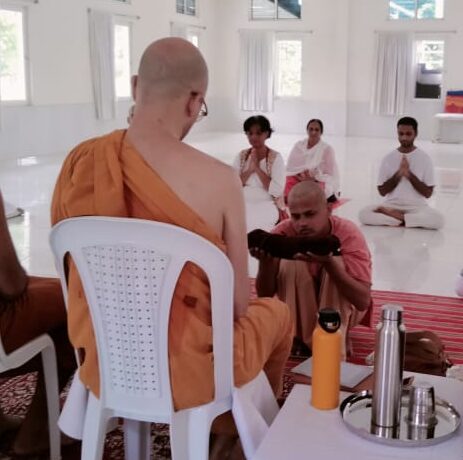
- All bhikkhus are encouraged to follow the instructions and guidance offered by the resident Dhamma teacher of the monastery.
- Meditation and study should be undertaken with sincerity, humility, and dedication.
- The purpose of practice is the continual purification of the Heart, refining virtue, concentration, and wisdom.
- Avoid distractions such as excessive social interactions or engagement insecular knowledge unrelated to the path.
- Strive to deepen understanding through direct experience rather than mere theoretical knowledge.
7. Monastery’s Daily Schedule (Indicative)
- 4:00 am – Wake up, Exercise
- 4:30 am – Group meditation
- 6:00 am – Alms round (where practiced) or breakfast
- 8:00 am – Group meditation
- 9:30 am – Interview
- 10:50 am – Main meal
- 12:00 pm – Rest
- 1:00 pm – Meditation ( Sitting and Walking )
- 5:00 pm – Refreshment (Juice)
- 6:00 pm – Personal meditation, study, or seclusion
- 10:00 pm – Lights Out
8. Simplicity and Renunciation
- Maintain contentment with basic requisites—robes, alms food, shelter, and medicine.
- Live simply and avoid accumulation of unnecessary possessions.
- Eat mindfully, taking only what is needed for sustenance, without attachment to taste or variety.
- Use monastery resources wisely, ensuring minimal waste and respect for nature.
9. Relations with Lay Supporters and Volunteers
- Be a field of merit for lay supporters by upholding upright conduct.
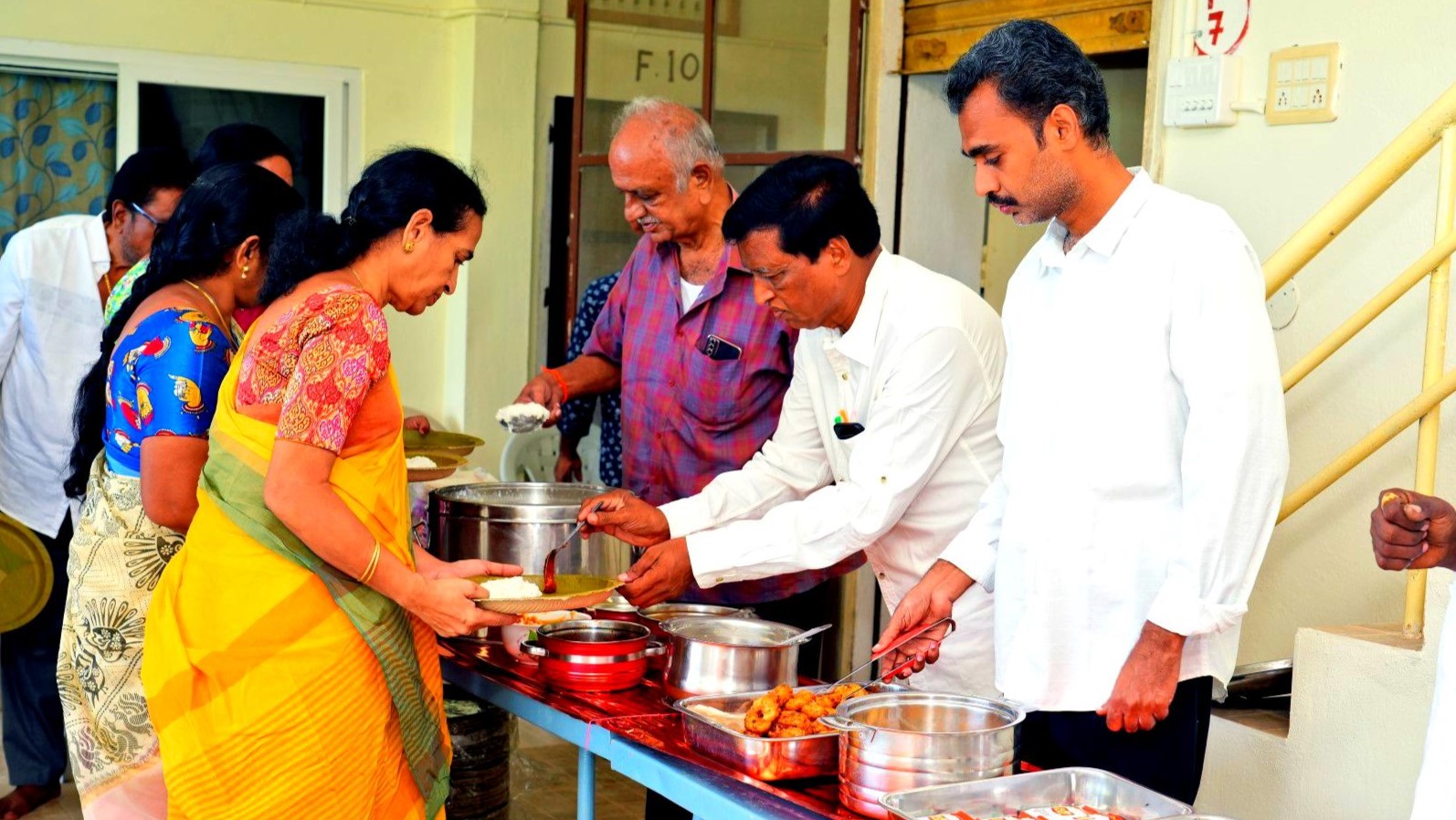
- Accept alms and donations with gratitude, without expectation or preference.
- Avoid unnecessary interactions and maintain appropriate boundaries with the laypeople and members of the opposite gender.
10. Service and Duties within the Monastery
- Participate in monastery chores with mindfulness, seeing them as part of the practice.
- Maintain cleanliness in personal and communal spaces.
- Show hospitality to visiting bhikkhus and lay supporters, ensuring their needs are met within the bounds of monastic rules and conduct.
10. Leaving the Monastery
- Bhikkhus should not leave the monastery without informing the Abbot or Asst. Abbot, especially for extended stays outside.
- Those who depart should do so with respect, gratitude, and mindfulness of the impact on the monastic community.
Final Reflection
Residency at Sangharama is a commitment to walk the path of the Buddha with sincerity of Heart, in harmony with the Sangha, and in accordance with Vinaya discipline.
May all who enter Sangharama uphold these guidelines with sincerity, leading to the purification of the heart, for welfare of oneself and others, and the realization of the ultimate goal—Nibbāna.